

What happens when our desire to enjoy something becomes a need to hold on to it? In today’s episode, we explore Venerable Thubten Chodron’s Tricycle article, “Taking the Ache Out of Attachment,” and the ways clinging to people, possessions, and expectations can disturb our peace. Through thoughtful reflection on change and the stories we tell ourselves about happiness, we discover how loosening our grip allows us to appreciate what we have, cultivate compassion, and meet life with greater balance.

An airport might seem like an unlikely place to find stillness, but meditation doesn’t require a quiet room or perfect conditions. In today’s episode, we explore how the bustle of travel can become an invitation to practice—listening to the sounds around us, noticing our reactions, and returning gently to the present moment. Whether we’re waiting at a gate or sitting at home, we can meet what’s happening with awareness and discover that a place to practice is wherever we happen to be.

Our culture tells us that happiness and joy are to be chased…are acceptable, and that anything that is not those things should be avoided or changed. Today I talk about being okay with not be “okay”.

Life brings challenges, and meditation can help us meet them with greater awareness, steadiness, and kindness. In today’s episode, we explore how our practice supports resilience by helping us recognize stress sooner, create space before reacting, and allow difficult feelings without becoming lost in them. Each gentle return to the present is an opportunity to practice beginning again—a skill we can carry into the moments when life asks us to find our footing.

Grief is deeply personal, and there is no single right way to experience it. In today’s Zen Commuter, I share “Approaching Grief” by Roy Remer, from the Summer 2026 issue of Tricycle: The Buddhist Review. Through his compassionate insights and my own reflections, we explore how awareness can help us recognize our responses to loss and meet ourselves with greater kindness. This episode is an invitation to give yourself time, honor your experience, and consider what it means to make room for grief in your life.

Calm often begins with coming back to where we are. When our minds are caught up in yesterday’s conversations or tomorrow’s uncertainties, we can miss the quiet moments available to us right now. In this episode of Zen Commuter, we explore how present moment awareness can help us loosen our grip on those thoughts and meet life with greater ease. By gently noticing our breath, our surroundings, and the sensations in our bodies, we give ourselves a place to rest our attention—and an opportunity to respond to life with more clarity, kindness, and calm.openness.
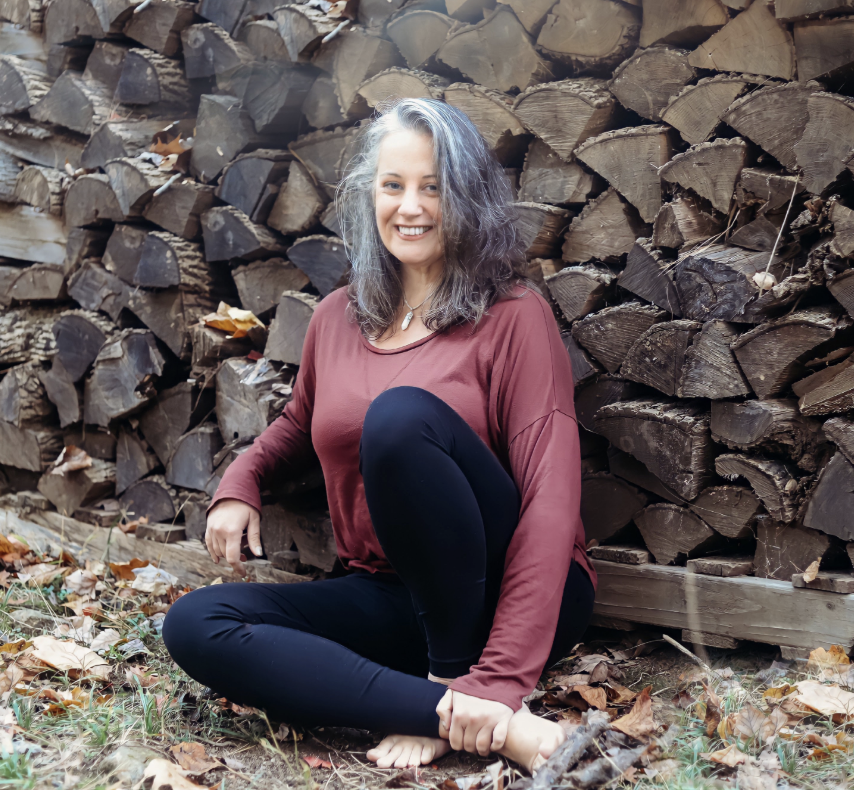
n today’s episode, I sit down with Jennifer Kalawur, a mindful leadership coach whose work blends emotional intelligence, self-awareness, and grounded presence. Together, we explore how mindfulness reshapes the way we lead, communicate, and care for ourselves in a world that often pulls us in every direction. Jennifer shares her own journey, the practices that keep her anchored, and the powerful ways we can bring more clarity and compassion into both our personal and professional lives. If you’ve ever wondered how calm can inform courage — or how awareness can transform connection — this conversation will speak directly to that place within you.
Getting distracted during meditation doesn’t mean you’re doing it wrong—it means you’ve just become aware. In today’s episode of Zen Commuter, I share three simple steps for meeting that moment: recognize that your mind has wandered, respond to yourself with kindness rather than judgment, and gently return to your breath or chosen anchor. Each return is not a failure but a repetition that strengthens awareness. The goal isn’t to stop thinking; it’s to notice when you’ve drifted and begin again.

What can the ocean teach us about awareness? In today’s episode, I share “Ride the Waves,” a Lion’s Roar article by C. J. Bahnsen, exploring what his experiences as a novice bodysurfer taught him about spacious awareness. It’s an invitation to consider how we meet the changing moments of our own lives, and how meditation can help us make room for what arises with greater curiosity and openness.
There was a word I knew, or at least I thought I knew; equanimity. For the most part, I got it right. But there was a deeper meaning that I was missing, so I figured we could learn about it together.